Learning Outcomes:
i. Identify the role of hydrochloric acid (HCl) in the stomach as a barrier against ingested bacteria.
ii. Explain the mechanism of HCl in denaturing proteins and creating an acidic environment unfavorable for bacterial growth.
iii. Describe the role of various digestive enzymes, such as proteases, lipases, and carbohydrases, in breaking down food molecules.
iv. Explain how digestive enzymes contribute to the breakdown of bacterial cell walls, allowing for the release of bacterial contents and further destruction.
v. Recognize the significance of acids and enzymes in the digestive tract for maintaining gut health and preventing bacterial infections.
i. Hydrochloric Acid: The Stomach's Guardian Against Bacterial Invasion
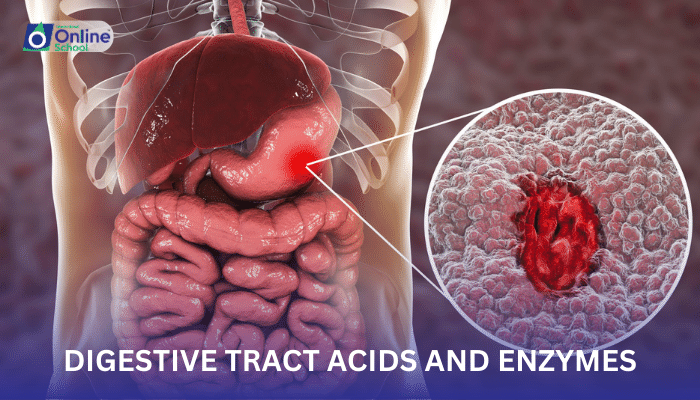
The stomach, the initial stage of the digestive system, harbors a highly acidic environment, primarily due to the secretion of hydrochloric acid (HCl). This acidic environment serves as a crucial barrier against ingested bacteria:
Protein denaturation: HCl unfolds and disrupts the structure of proteins, including those found in bacterial cell walls.
Unfavorable pH: The low pH of the stomach, around 1.5 to 2.5, creates an environment that is unfavorable for the growth of most bacteria.
Activation of pepsin: HCl activates pepsin, an enzyme that initiates the breakdown of proteins in the stomach.
ii. Digestive Enzymes: Dismantling Bacterial Defenses
As food passes through the digestive tract, it encounters a battery of digestive enzymes that break down complex food molecules into simpler components for absorption. These enzymes also play a role in the destruction of ingested bacteria:
Proteases: Proteases, enzymes that break down proteins, can also target bacterial cell walls, weakening their structure.
Lipases: Lipases, enzymes that break down fats, can disrupt the lipid membranes of bacteria, leading to their disintegration.
Carbohydrases: Carbohydrases, enzymes that break down carbohydrates, may not directly attack bacteria but can contribute to the destruction of bacterial cell walls by breaking down carbohydrates that provide structural support.
Significance of Acids and Enzymes in Gut Health
The combined action of acids and enzymes in the digestive tract plays a vital role in maintaining gut health and preventing bacterial infections:
Bacterial destruction: Acids and enzymes directly destroy ingested bacteria, preventing their proliferation and potential harm to the gut microbiome.
Nutrient absorption: The breakdown of food molecules by enzymes facilitates the absorption of nutrients from digested food, promoting overall health.
Gut barrier protection: The elimination of harmful bacteria helps maintain the integrity of the gut barrier, preventing the passage of harmful substances into the bloodstream.
The digestive tract is not just a passageway for food; it is also a battleground where the body defends itself against potentially harmful microbes. Hydrochloric acid and digestive enzymes play crucial roles in this defense mechanism, creating an inhospitable environment for bacteria and breaking down their cell walls, allowing for their destruction and preventing potential infections. Understanding the significance of acids and enzymes in the digestive tract highlights the importance of maintaining a healthy gut microbiome and the body's sophisticated defense mechanisms against bacterial invaders.
